Retaining Walls Explained: When Do You Need One & Why?
The Role of Retaining Walls in Soil Stability & Drainage
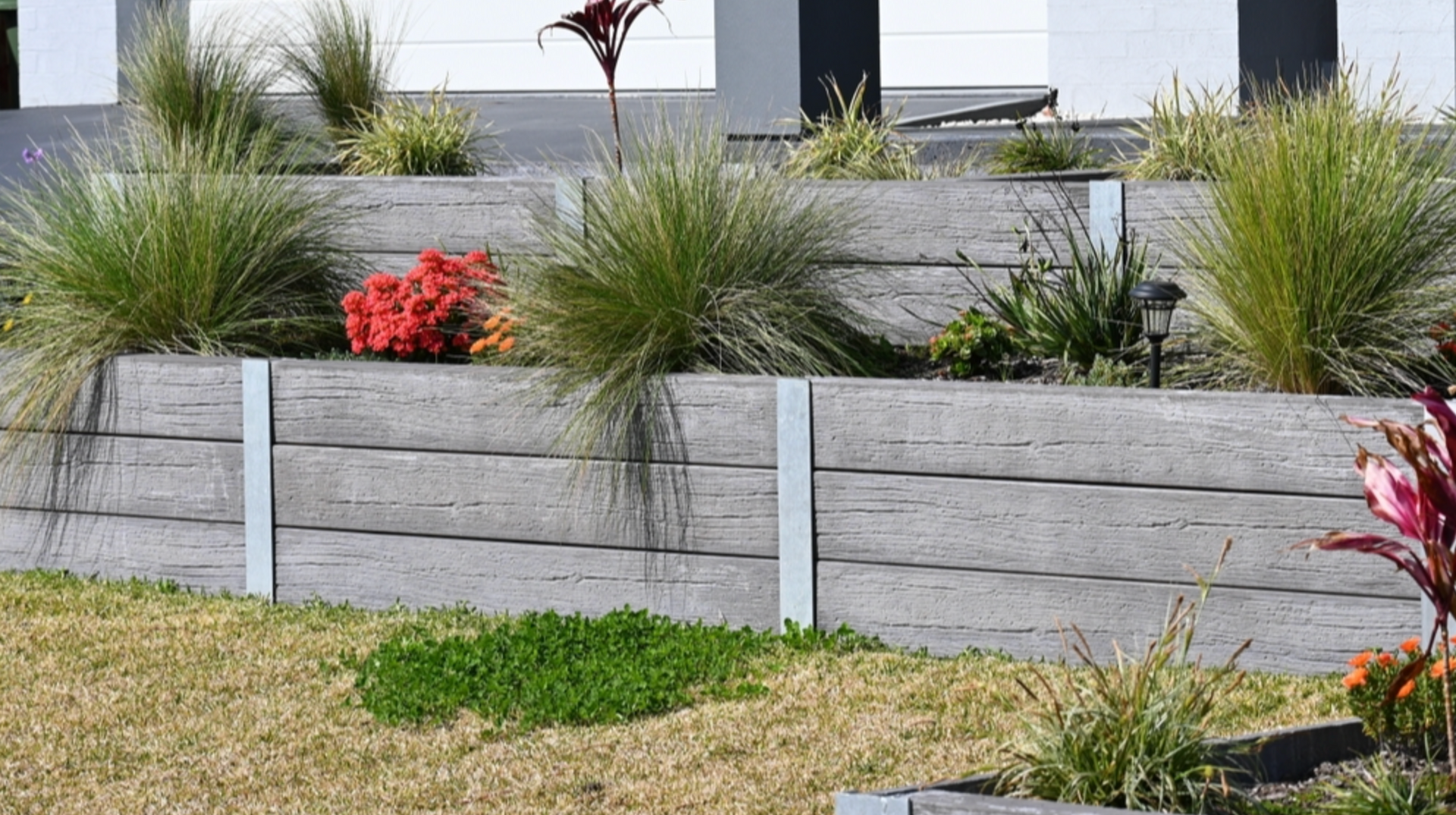
Sloping blocks can look impressive, but they often come with practical challenges. Uneven ground can limit how you use your yard, cause drainage problems and place pressure on structures over time. In some cases, it can even affect the stability of your home.
A retaining wall is more than a landscape feature. When designed and built correctly, it provides structural support, manages soil movement and helps you make better use of your outdoor space. Understanding when you need one and why it matters can help you make informed decisions about your property.
Managing Sloped or Uneven Land
Not every block is level. When your yard slopes significantly, soil naturally shifts downhill due to gravity and water flow. Over time, this movement can erode the land and reduce usable space.
A retaining wall is designed to hold soil in place and create stable, level areas. This allows you to reclaim parts of your yard that might otherwise go unused.
Common situations where a retaining wall helps include:
- Creating a flat lawn or garden area
- Building a patio, deck or pergola on uneven ground
- Preventing soil from slipping toward the home
- Supporting raised sections of landscaping
As builders, we often construct retaining walls as part of broader renovation projects. Whether it’s preparing the ground for a home extension or stabilising the area before installing outdoor features, the wall forms a critical structural base.
Preventing Soil Erosion & Drainage Problems
Water is one of the main causes of soil movement. Heavy rainfall can wash away topsoil, weaken garden beds and create muddy run-off areas. Without proper support, sloped land becomes vulnerable to ongoing erosion.
A well-designed retaining wall works alongside drainage solutions to manage water flow and reduce pressure behind the wall. This includes:
- Installing agricultural drainage pipes
- Using suitable backfill materials
- Designing adequate weep holes
- Directing surface water away from structures
Retaining walls are not just about holding back soil. They must be engineered to manage hydrostatic pressure. When built incorrectly, water build-up can compromise structural integrity. That is why professional planning and construction matter.
Creating Usable Outdoor Living Areas
Modern homes often extend beyond the interior walls. Outdoor spaces are used for entertaining, relaxing and everyday living. If your block is uneven, creating these functional areas can be difficult without structural support.
Retaining walls make it possible to:
- Form level platforms for decks & pergolas
- Build outdoor kitchens or paved entertaining zones
- Install lawns for children & pets
- Construct pathways & stepped access areas
In many renovation projects, retaining walls are the first stage of transforming an outdoor area. Once the ground is stabilised and levelled, additional features can be added with confidence.
Supporting Structural Elements on Your Property
Retaining walls are sometimes necessary to protect built structures, not just landscaping. When soil pushes against foundations, driveways or boundary fencing, it can cause cracking and movement.
You may need a retaining wall if:
- A driveway is built into a slope
- A carport requires a stable base
- Boundary levels differ significantly between neighbouring properties
- A new extension changes ground pressure
As builders, we consider how ground levels interact with existing and proposed structures. When planning home extensions, carports or new builds, soil retention may be required to ensure long-term stability and compliance with building standards.
Repairing Damage & Stabilising Compromised Areas
In some cases, a retaining wall becomes necessary after damage has already occurred. Soil movement, water ingress or termite damage can weaken parts of a structure or surrounding landscape.
For example:
- Erosion undermining footings
- Timber retaining walls deteriorating over time
- Cracks appearing in garden retaining structures
- Ground shifting after heavy rainfall
When carrying out termite damage repairs or structural rectifications, we sometimes identify the need for improved soil support. Replacing or upgrading a retaining wall can be part of restoring the safety and function of the property.
Choosing the Right Materials for Longevity
Retaining walls can be built from various materials, each suited to different applications and budgets. The right choice depends on factors such as height, soil type, load pressure and overall design.
Common options include:
- Reinforced concrete
- Concrete sleepers
- Masonry block
- Treated timber
- Natural stone
Timber may suit lower garden walls, while reinforced concrete or engineered systems are often required for higher or load-bearing walls. Material selection also affects drainage design, lifespan and maintenance requirements.
Professional assessment ensures the wall is appropriate for the specific conditions of the site rather than relying solely on appearance.
Understanding Height & Council Requirements
Retaining walls are subject to building regulations. Depending on their height and location, approvals may be required before construction begins.
Important considerations include:
- Maximum allowable heights without engineering
- Proximity to property boundaries
- Impact on neighbouring land
- Drainage & stormwater compliance
Walls exceeding certain heights typically require engineering certification to confirm they can withstand soil pressure and environmental loads. Failing to follow regulations can lead to costly rectification work later.
When retaining walls form part of a larger renovation or new build, we coordinate the necessary planning and compliance to ensure everything meets relevant standards.
Integrating Retaining Walls into Renovation Projects
Retaining walls are rarely standalone projects. They often support broader improvements such as home extensions, outdoor renovations or new home construction.
For example:
- Levelling land before building an extension
- Preparing a stable base for a deck or pergola
- Creating tiered landscaping around a new home
- Supporting retaining structures alongside retaining wall repairs
Integrating the wall into the overall project ensures consistency in design and structural planning. It also allows for coordinated scheduling, reducing disruption and ensuring that foundations, drainage and finishes work together.
By approaching retaining walls as part of a complete building solution rather than an isolated feature, the result is more cohesive and structurally sound.
When Is the Right Time to Build a Retaining Wall?
There is no single trigger that applies to every property. However, certain signs indicate it may be time to consider one:
- Noticeable soil movement or slippage
- Water pooling or runoff issues
- Cracks in driveways or nearby structures
- Plans to extend or renovate on sloped land
- Limited usable yard space due to uneven ground
Addressing these issues early can prevent more extensive structural work later. A properly designed retaining wall provides stability and improves how the land functions around your home.
Start Your Project on Solid Ground
If you’re planning improvements to your property or have concerns about sloping ground, we at
Portstyle Constructions can help assess whether a retaining wall is the right solution. We design and build retaining walls as part of renovations, extensions, carports and new home projects, ensuring they are structurally sound and suited to the conditions of your block.
Working across the Gold Coast and surrounding areas, we understand the soil types, drainage demands and construction standards required in this region. If you’d like to discuss your project,
contact us to arrange a consultation and take the next step with confidence.